
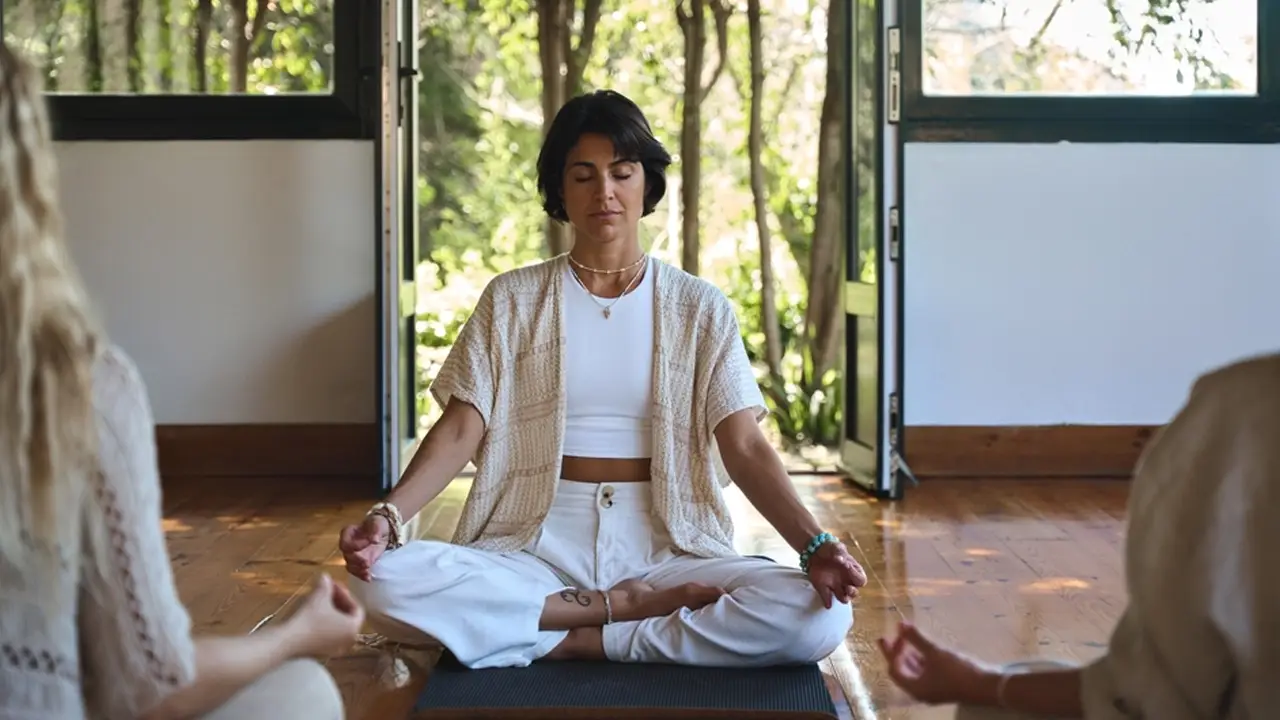
Yoga is more than just a series of movements. It is a way to connect your body, mind, and heart. For teachers who already have a 200-hour foundation, 300 hour yoga teacher training offers a way to go deeper, strengthen skills, and explore new teaching possibilities. This training is designed to expand knowledge, improve confidence, and prepare you for advanced classes. In this blog, we will explain how this training works and why it is a meaningful step for dedicated yoga instructors.
| Benefit / Feature | Description | Why It Matters |
| Broaden Your Teaching Toolkit | Learn new teaching techniques, anatomy, cueing, and posture adjustments | Classes feel professional, students progress safely, and teaching becomes more engaging |
| Advanced Techniques | Complex poses, sequencing strategies, and subtle breathing exercises | Strengthens confidence, improves personal practice, and challenges students safely |
| Practical Steps | Lesson planning, using props, meditation and breathing sessions, workshops | Makes classes run smoothly, prepares teachers for real classroom situations |
| Connection with Students | Communication skills, observation, role-playing, giving gentle corrections | Builds strong teacher-student relationships, positive classroom energy |
| Key Areas of Growth | Deepen knowledge, build confidence, advanced yoga teacher training, lifetime support | Expands offerings, allows teaching workshops, retreats, online classes, ongoing learning |
| Career Opportunities | Access to advanced classes, retreats, mentoring, network of teachers | Opens doors in the yoga world, more teaching options, professional growth |
| Mind-Body Connection | Meditation, breathwork, body awareness, stress reduction | Improves focus, health, personal practice, and guides students effectively |
1: Broaden Your Teaching Toolkit in Every Class
One of the most immediate benefits of 300 hour yoga teacher training is the variety of teaching techniques you learn. You gain new ways to guide students safely through poses. These lessons improve your timing, cueing, and ability to adjust postures for different levels.
You also learn about anatomy and alignment in depth. Understanding how muscles and joints work and how they interact in each pose helps you prevent injuries and give students better guidance. This knowledge can make every class feel fresh and professional, showing students that you care about their progress.
2: How Advanced Techniques Change Your Practice
Advanced lessons in 300 hour yoga teacher training give teachers new tools to challenge themselves and their students. Learning complex poses, sequencing strategies, and subtle breathing exercises opens new growth opportunities.
These sessions include guided practice, hands-on teaching, and real-time feedback. Practicing in front of peers and receiving advice helps you correct mistakes, improve posture, and communicate better. Over time, these lessons strengthen confidence, teaching quality, and personal practice.
3: Practical Steps You Learn During Training
During 300 hour yoga teacher training, you learn practical techniques that apply directly to your classes. For example:
- Planning sequences for different levels
- Adjusting postures safely for injuries
- Using props effectively
- Teaching meditation and breathing sessions
- Leading workshops or retreats
Each lesson teaches how to handle real classroom situations. By practicing these steps repeatedly, teachers gain skill and self-assurance. Many graduates find that their classes run more smoothly and students respond more positively.
4: Teaching is Not Just About Poses; It is About Connection.
This quote explains why 300 hour yoga teacher training goes beyond physical practice. You learn how to communicate, guide, and connect with students in ways that feel natural and caring. Teaching yoga is about observation, patience, and adaptability.
Training sessions often include role-playing and peer feedback. These exercises teach how to notice when a student struggles, how to give corrections gently, and how to keep energy positive in the classroom. Connection with students becomes stronger and classes become more meaningful.
5: Exploring Key Areas of Growth
Deepening Knowledge
You study anatomy, yoga philosophy, and teaching methods in detail. This knowledge shows how each pose affects the body and mind. You gain confidence to answer questions and guide students safely.
Building Teaching Confidence
By practicing teaching regularly, you gain comfort with speaking, demonstrating, and adjusting students. This skill makes it easier to lead classes of any size.
Learning Advanced Yoga Teacher Training
Advanced lessons cover alignment, sequencing, and complex poses. Understanding these techniques allows teachers to expand their offerings. Students appreciate variety and skilled guidance, which keeps them engaged and motivated.
Applying Lessons Beyond the Classroom
Training does not stop at technique. Teachers learn how to plan workshops, retreats, or online classes. This prepares you to offer more value to students.
Some programs include lifetime yoga teacher training support. This allows you to revisit lessons, ask questions, and continue learning long after the course ends. Such ongoing guidance ensures your practice and teaching skills stay current and effective.
6: How Career Opportunities Expand
Completing 300 hour yoga teacher training opens doors in the yoga world. Many studios prefer instructors with higher-level certification. Teachers can offer advanced classes, retreats, or private sessions.
With advanced skills, you are better prepared to mentor beginners. You can plan workshops or teach specialty sessions confidently. Lifetime support also gives you a network to connect with other teachers, making collaboration easier.
7: Mind and Body Connection Strengthened
Yoga is about more than physical postures. 300 hour yoga teacher training strengthens awareness of your body, mind, and emotions. Daily meditation and breathing practices teach how to stay focused, reduce stress, and guide students through similar experiences.
This training shows how small adjustments in posture or breathing can improve health and comfort. The awareness you gain enhances your own practice while helping students feel more connected to their bodies.
Tips to Maximize Your Training
- Practice consistently each day
- Ask questions and take notes
- Observe instructors and peers carefully
- Apply techniques in real teaching situations
- Participate in group discussions and feedback sessions
These actions teach how to integrate new skills effectively. By committing to these steps, teachers often report better confidence, stronger teaching skills, and improved personal practice.
How to Choose a Program That Works
Selecting the right 300 hour yoga teacher training program is important. Look for:
- Experienced instructors who teach advanced yoga teacher training
- Small class sizes for more attention
- Curriculum that includes lifetime yoga teacher training support
- Clear schedule that fits your lifestyle
The right program guides how to build skill gradually and safely. Reading reviews and talking to alumni can help you pick the program that matches your goals.
How Students Benefit From Your Training
Graduates of 300 hour yoga teacher training improve the experience for their students. Teachers are better prepared to answer questions, correct posture safely, and teach meditation and breathing practices.
Students notice when a teacher is knowledgeable, confident, and aware. The techniques learned in advanced yoga teacher training classes allow teachers to create more engaging, safe, and effective sessions.
Real Results for Teachers
Teachers who complete 300 hour yoga teacher training often see personal growth as well. They gain patience, confidence, and clarity in teaching. Lifetime support from programs allows ongoing learning, giving guidance how to continue improving.
Advanced techniques from advanced yoga teacher training classes allow teachers to experiment safely, try new sequences, and expand offerings. Students appreciate variety and attention, which increases engagement and retention.
Conclusion
300 hour yoga teacher training offers far more than advanced postures. It teaches how to connect with students, handle complex sequences, and expand your career opportunities. With a mix of advanced yoga teacher training lessons and lifetime yoga teacher training support, this training equips teachers with skills that last a lifetime. You gain knowledge, confidence, and practical methods to lead every class effectively. This training also strengthens your personal practice and prepares you to share yoga in meaningful ways. By understanding how the techniques work and applying them consistently, you can guide students safely, plan engaging classes, and grow as a teacher. Choosing the right program ensures these benefits are applied fully, giving you clarity, focus, and satisfaction.
Take the next step in your yoga journey with 300 hour yoga teacher training at Inlet Yoga. Experience hands-on guidance, advanced yoga teacher training techniques, and lifetime yoga teacher training support that helps you teach with confidence. Begin today and give your students and yourself the best experience possible.
FAQs
Q1: Do I need 200-hour certification first?
Yes, most programs require 200-hour training as a foundation before enrolling in 300-hour programs.
Q2: How long does 300 hour yoga teacher training take?
Programs vary. Some are intensive weeks, while others are spread over months or weekends.
Q3: Can I teach advanced classes after completing the training?
Yes. The program prepares you to lead advanced and specialty classes confidently.
Q4: What is included in lifetime yoga teacher training support?
You can revisit lessons, ask questions, and join workshops even after finishing the course.
Q5: How does advanced yoga teacher training help my career?
It gives new techniques, teaching methods, and confidence, opening opportunities for workshops, retreats, and advanced classes.






