
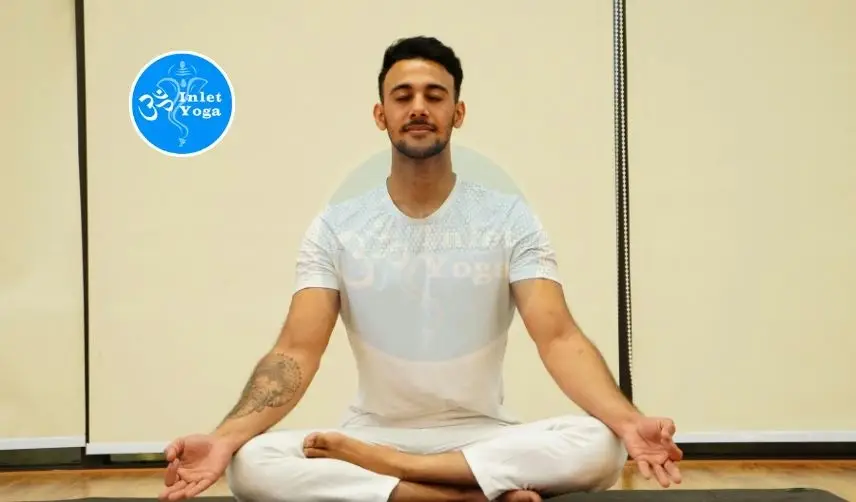
Starting a Yoga Practice can feel both exciting and confusing, especially with so many styles, videos, and opinions available today. The truth is, yoga doesn’t require flexibility, experience, or special fitness levels. It simply begins with awareness, breath, and consistency.
At Inlet Yoga in Manasquan, NJ, we’ve worked with students across every stage of their journey, from complete beginners stepping into their first class to dedicated practitioners exploring yoga teacher training and long-term growth. One thing is always clear: progress in yoga is not about perfection, but about showing up regularly and building a practice that feels sustainable in your real life.
This guide will help you understand what yoga truly is, how to start a beginner yoga practice, how to choose the right styles and classes, and how to confidently deepen your yoga practice over time. Whether you prefer structured yoga classes or are simply exploring at home, this is your starting point for a lifelong journey.
What Is Yoga? Understanding the Practice Before You Begin
The True Meaning of Yoga Beyond the Poses
Yoga is often seen as stretching or exercise, but its meaning goes much deeper. The word “yoga” comes from Sanskrit, meaning union. It refers to the connection between body, breath, and mind.
While physical poses are what most people see today, they are only one part of a much larger system. The real purpose of yoga is awareness, learning how you move, breathe, react, and respond in daily life.
Physical, Mental, and Emotional Dimensions of Yoga
A consistent Yoga Practice supports the body, but also influences mental clarity and emotional balance. Physically, it helps improve strength, flexibility, posture, and mobility. Mentally, it creates space to slow down and focus. Emotionally, it often helps people manage stress more effectively.
At Inlet Yoga, many students notice that what begins as a physical routine gradually becomes a grounding part of their week, helping them feel more balanced outside the studio as well.
Is Yoga a Workout, a Lifestyle, or Both?
Yoga can be both. Some people come for fitness, others for stress relief, and many stay because it naturally becomes part of how they live and move through life. There is no single way to define it, and that flexibility is part of its strength.
How to Start Your Yoga Practice as a Complete Beginner
Do You Need to Be Flexible to Start Yoga?
One of the biggest myths about yoga is that you need to be flexible before you begin.
You don’t. In fact, many people start yoga specifically because they want to improve flexibility. Walking into your first class, unable to touch your toes, is completely normal. Yoga meets you where you are today, not where you think you should be.
Progress happens gradually. The goal isn’t to force your body into advanced poses. It’s to build strength, mobility, and confidence one practice at a time.
What Equipment Do You Actually Need to Begin
Starting yoga is refreshingly simple. A comfortable set of clothes and a quality yoga mat are enough for most beginners. Many studios provide blocks, straps, blankets, and bolsters, so there’s no need to invest heavily right away. As your yoga practice grows, you may decide to add a few props at home, but they’re not necessary for getting started. The most important thing you bring to class isn’t equipment; it’s consistency.
Choosing Between a Yoga Studio and Home Practice
Both options offer unique benefits. Practicing at home provides convenience and flexibility. You can roll out your mat whenever your schedule allows and move at your own pace.
A studio environment offers something different. Experienced teachers can guide your alignment, answer questions, and help you build confidence. There’s also something motivating about practicing alongside a supportive community.
Many students find that the ideal balance is combining both. Attending yoga classes regularly while maintaining a simple home routine often creates the strongest foundation. If you are unsure how often to go, we cover this in our guide on how many beginner yoga classes per week you need to see results.
How to Find the Right Yoga Teacher or Class
The right teacher can completely change your experience. Look for instructors who explain movements clearly, offer modifications, and create an encouraging atmosphere. A great teacher focuses on helping students understand their bodies rather than pushing them toward advanced poses.
At Inlet Yoga, this welcoming approach is one reason students of all experience levels feel comfortable stepping into class for the first time.
What to Expect in Your First Yoga Class or Session
Your first class will likely include breathing exercises, gentle warm-ups, standing poses, and a period of relaxation at the end. You might feel challenged. You might feel awkward. You may even forget which foot goes where.
That’s all part of the process. Most beginners leave their first class realizing that yoga is far more accessible than they expected. Our beginner yoga class guide covers what to expect in more detail if you want to feel fully prepared before you arrive.
Choosing the Right Style of Yoga for Your Goals
Hatha Yoga: Best for Absolute Beginners
Hatha Yoga introduces foundational poses at a slower pace, making it one of the best choices for beginners. Students have time to focus on alignment, breathing, and understanding how each posture feels in their body.
Vinyasa Yoga: For Flow and Movement Lovers
Vinyasa connects movement with breath in a continuous sequence. The classes tend to be more energetic and can feel similar to a moving meditation. If you enjoy movement-based workouts while still wanting the mindfulness benefits of yoga, Vinyasa may be a great fit.
Yin Yoga: For Flexibility and Deep Relaxation
Yin Yoga focuses on longer-held poses that target connective tissues and joints. Because the pace is slow, students have time to relax, breathe, and release tension that often builds from modern lifestyles.
Ashtanga Yoga: For Structure and Discipline
Ashtanga follows a set sequence of postures practiced in the same order each time. People who enjoy routine and measurable progress often appreciate this disciplined approach.
Restorative Yoga: For Stress Recovery and Healing
Restorative Yoga is designed to help the body and nervous system recover. Supported by props and guided relaxation, students remain in comfortable positions for longer periods, allowing the body to rest deeply.
At Inlet Yoga, students are encouraged to explore our yoga class types to understand what best supports their lifestyle and body.
Essential Yoga Poses Every Beginner Should Learn First
Standing poses like Mountain Pose, Warrior I, and Warrior II build strength and stability. They also help develop focus and awareness of posture. On the floor, poses such as Child’s Pose, Downward Dog, and Cobra are commonly used in most classes. These positions stretch, strengthen, and reset the body.
Core-based poses like Plank, Boat Pose, and Bridge Pose support overall stability and posture, making them essential for long-term development. Rather than rushing through poses, beginners benefit most from learning alignment slowly and consistently.
Yoga Breathing Techniques (Pranayama): The Foundation You Can’t Skip
Breathing is one of the most important parts of yoga, yet it is often overlooked in the beginning.
Pranayama refers to controlled breathing techniques that help regulate focus and energy. When breath becomes steady, movement becomes smoother.
Ujjayi breath, often used in Vinyasa classes, creates a soft ocean-like sound that helps maintain rhythm and focus. Box breathing and alternate nostril breathing are commonly used outside the mat to reduce stress and improve concentration.
At Inlet Yoga, breath awareness is integrated into every class from the very beginning, helping students build a stronger connection between movement and mind.
How to Deepen Your Yoga Practice Beyond the Basics
Signs You’re Ready to Move Beyond Beginner Level
Progress in yoga isn’t measured by advanced poses. Instead, look for signs such as improved body awareness, greater confidence, steadier breathing, and the ability to remain present during challenging moments. These are often stronger indicators of growth than flexibility alone.
Refining Alignment and Going Deeper Into Foundational Poses
Many experienced practitioners spend years refining basic poses. Returning to foundational postures with fresh awareness often reveals opportunities for improvement that were previously overlooked. Sometimes growth comes from depth of understanding rather than complexity.
Exploring Intermediate Yoga Poses: Arm Balances, Inversions, and Twists
As confidence increases, many students become interested in arm balances, inversions, and deeper twists. These poses can be exciting, but they should be approached gradually and with proper guidance. Building strength, stability, and body awareness first creates a safer path toward advanced movement.
How to Safely Challenge Yourself Without Getting Injured
Growth happens when you challenge yourself appropriately. There’s a difference between productive discomfort and pain. Learning to recognize that difference is one of the most valuable skills in yoga. Consistent practice almost always produces better results than aggressive practice.
The Role of Props in Deepening Your Practice
Many people assume props are only for beginners. In reality, experienced practitioners use props regularly. Blocks, straps, and bolsters can help improve alignment, increase awareness, and create new experiences within familiar poses.
For students who feel ready to take their practice into a more structured and advanced space, yoga teacher training is often the next step, not only for those who want to teach but for anyone who wants to understand their practice at a much deeper level.
Common Yoga Mistakes Beginners Make
One common mistake is skipping warm-ups or rushing into advanced movement. Another is comparing progress with others in class, which often creates unnecessary pressure.
Many beginners also push through pain instead of listening to their body. Yoga should feel challenging at times, but never harmful. Finally, focusing only on poses while ignoring breath can limit progress. Breath is what connects movement and awareness.
Yoga at Home vs. Yoga in a Studio
Home practice is flexible and convenient, but it requires self-discipline. Studio practice offers structure, guidance, and community support.
At Inlet Yoga, many students begin in-studio to build confidence, then gradually develop a home routine alongside it. Both approaches support different parts of the journey. Even a short daily session adds up over time, and if you’ve ever wondered whether a brief routine is genuinely effective, our post on whether 20 minutes of yoga a day is enough answers that question directly.
Final Thoughts
Building a meaningful Yoga Practice is not about rushing or achieving perfect poses. It is about consistency, patience, and learning to listen to your body over time. Whether you are beginning a beginner yoga practice, joining yoga classes, or looking to deepen your yoga practice, the real transformation happens gradually.
At Inlet Yoga, we have seen countless students grow not just physically, but mentally and emotionally through steady practice. The journey is not about where you start, but about showing up with intention.
Yoga begins with something simple, a single breath, a single moment of awareness, and the willingness to begin.
Frequently Asked Questions
What is a yoga practice, and how do I start it?
A yoga practice is a consistent routine of physical poses, breathing techniques, and mindfulness exercises. To start, you only need a mat, comfortable clothing, and beginner-friendly guidance from yoga classes or online instruction.
How often should a beginner do yoga practice?
Beginners can start with 2 to 3 sessions per week. Even 10 to 20 minutes daily is effective. Consistency matters more than duration when building a sustainable beginner yoga practice.
Can yoga really improve flexibility and strength?
Yes. Regular yoga practice improves flexibility, mobility, core strength, and balance over time. Progress is gradual and depends on consistency rather than intensity.
Do I need to be flexible to start yoga?
No. Flexibility is not required to begin yoga. Most beginners develop flexibility through regular practice rather than starting with it.
What is the best yoga style for beginners?
Hatha yoga and gentle flow classes are best for beginners because they focus on foundational poses, breathing, and slow progression.
How long does it take to deepen your yoga practice?
Most practitioners begin noticing deeper awareness and physical improvements within a few months. To truly deepen your yoga practice, consistency over time is key rather than quick results.
Is yoga enough as a full workout?
For many people, yoga is enough for overall fitness because it builds strength, flexibility, balance, and endurance. However, some combine it with cardio depending on fitness goals.
What should I expect in my first yoga class?
A first class usually includes breathing exercises, simple stretches, basic poses, and relaxation. It is beginner-friendly and guided step-by-step by the instructor.
Can I practice yoga at home without a teacher?
Yes, but beginners benefit more from guided yoga classes to learn correct alignment and breathing techniques safely before moving to independent practice.
What is the difference between yoga practice and stretching?
Stretching focuses only on muscles, while yoga practice combines movement, breath control, and mindfulness for both physical and mental benefits.






