
Choosing a Yoga Alliance Registered school is not just about finding a certified program; it is about understanding the real difference in training quality, learning depth, and long-term personal growth. Many students researching RYS 200 yoga teacher training or comparing options often focus only on certification and yoga teacher training cost, but the real decision comes down to teaching experience, mentorship quality, and how supported you feel during the journey.
In most cases, the value of a program is not determined by the price alone, but by what you actually gain: confidence, clarity in practice, and a deeper understanding of yoga beyond physical movement. This guide breaks down how to choose the right school and what hidden factors influence both cost and overall training experience, so you can make a clear, informed decision before committing.
What Does a Yoga Alliance Registered School Actually Mean?
A Yoga Alliance Registered School is a training program that meets internationally recognized educational standards for yoga teacher training. It ensures structured hours, curriculum depth, and ethical teaching guidelines.
However, many students misunderstand this label. We often see people assume that “registered” automatically means “high quality.” In reality, it only confirms baseline compliance.
The real difference between schools becomes visible during training, not before it. That difference comes from teacher experience, mentorship quality, and how supported you feel while learning.
How to Choose a Yoga Alliance Registered School
Step 1: Look Beyond Certification Labels
One of the most common things we hear from students is: “I just want to make sure I pick the right school.”
What they usually mean is not certification, but confidence in their decision.
A Yoga Alliance Registered school can still vary significantly in teaching depth. Some programs feel rushed, while others give you time to understand, practice, and grow into each concept.
A strong program should make you feel gradually more confident, not overwhelmed or confused.
Step 2: Pay Attention to Who Is Teaching You
The teacher is the experience.
Students often realize this only after they begin training. Two schools can teach the same syllabus, but the learning outcome can feel completely different depending on the instructors.
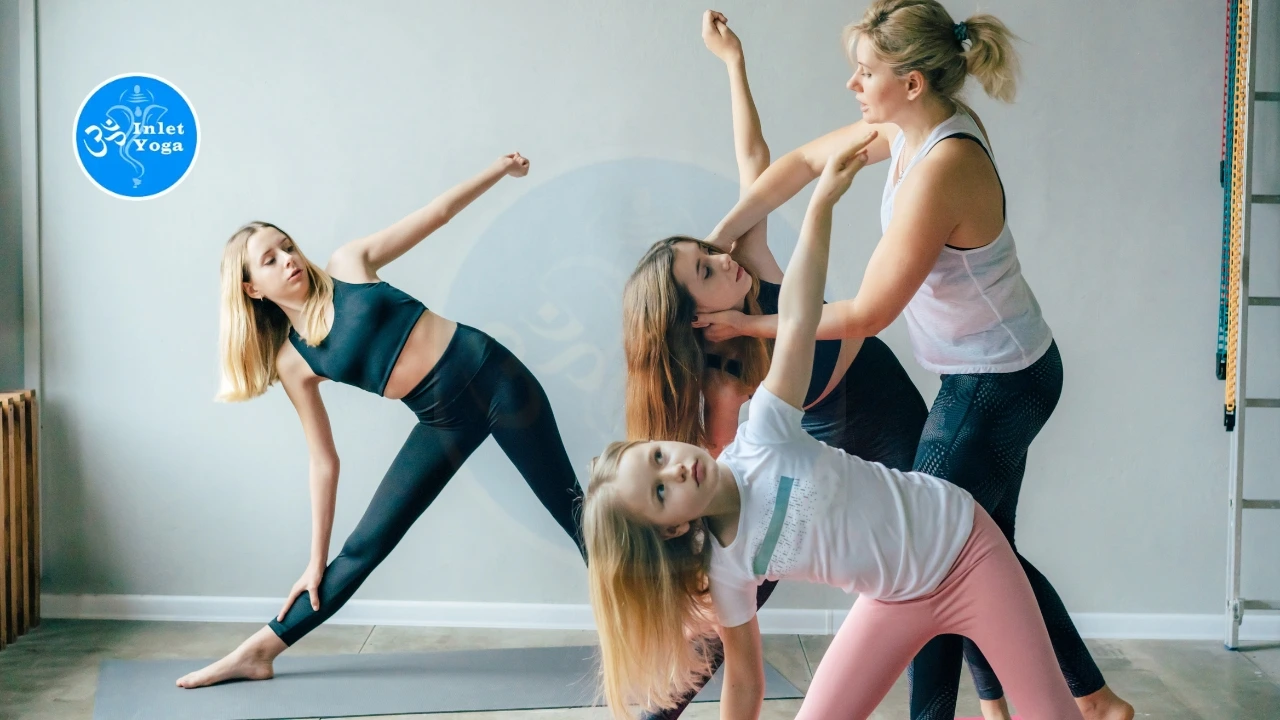
At Inlet Yoga in Manasquan, NJ, we see this difference clearly in our training environment. Students consistently report that real understanding comes not just from learning poses, but from being corrected, guided, and supported in real time. You can learn more about the experience our instructors bring by visiting our Instructors page.
That mentorship layer is what builds teaching confidence later.
Step 3: Understand What the Training Feels Like Day to Day
Before enrolling, most students imagine yoga teacher training as a structured course. In reality, it is also a personal process.
You are not just learning information; you are unlearning habits, building awareness, and sometimes questioning how you practice yoga entirely.
We often see students start with hesitation in the first few weeks. But as the training progresses, something shifts: they begin to understand their body differently, breathe more consciously, and approach yoga with more awareness instead of performance.
That shift is what makes a program meaningful.
What This Decision Really Feels Like (Most Students Don’t Say This Out Loud)
Choosing a Yoga Alliance Registered school is not just about comparing options; it often comes from a quiet internal moment where something feels “missing” in your current practice.
At Inlet Yoga in Manasquan, NJ, we often see students arrive with a mix of excitement and hesitation. Some have been practicing for years but still feel like they are only touching the surface of yoga. Others feel stuck in routine classes and are searching for something more structured, more meaningful.
What is interesting is that most students don’t say “I want certification” first. They say things like:
- “I feel like I want to understand yoga properly now.”
- “My practice feels repetitive.”
- “I want to go deeper, but I don’t know how.”
This emotional layer is important because it shows that choosing a school is not just logical; it is personal. And that emotional clarity often becomes the real reason people eventually commit to training.
Step 4: Know the Real Costs Involved
When people search for yoga teacher training cost, they usually see only the surface fee. But in real training environments, cost is more layered than that.
A Yoga Alliance-registered program typically includes tuition, materials, certification processing, and sometimes additional learning support.
But the real question is not just cost; it is value.
We often hear from graduates that the investment made sense only after they experienced what the training actually gave them: confidence, understanding, and clarity in their practice.
Why Yoga Teacher Training Costs Vary
Costs vary because training experiences are not the same.
Some programs focus on large groups and standard instruction. Others, like smaller studio-based trainings in Manasquan, NJ, focus on mentorship, correction, and deeper engagement. If you want to understand exactly what is included in our program structure before committing, our 200-Hour Yoga Teacher Training page breaks down every detail.
This difference is not just about pricing; it directly affects how prepared you feel after graduation.
Hidden Costs to Be Aware Of
Students sometimes discover additional costs only after enrolling, such as certification fees, exam charges, or optional workshops.
A transparent program will always make this clear upfront so you can make a fully informed decision without unexpected financial pressure later.
Is a Yoga Alliance Certification Worth It?
A Yoga Alliance Registered certification is widely recognized and respected in the yoga community. But its real value does not come from the certificate itself; it comes from the transformation that happens during training.
Students who fully engage in the process often leave with more than teaching skills. They leave with a clearer understanding of movement, breath, and awareness that carries into everyday life.
That is why many students say they did not just “complete a course”; they changed how they experience yoga entirely. Yoga Alliance maintains a public registry where you can verify any school’s registration status before enrolling, which is worth checking as part of your research process.
Why Local Training Matters (Manasquan, NJ Experience)
Choosing a local Yoga Alliance Registered school like Inlet Yoga in Manasquan, NJ, creates a different kind of learning experience.
Students are not just entering a program; they are entering a community. Over time, we see students form consistent practice habits, build relationships with instructors, and stay connected long after training ends.
This continuity is often what helps students sustain their practice beyond certification.
Common Mistakes Students Make When Choosing a Yoga School
One of the biggest mistakes is rushing the decision based on price or convenience alone.
Another is focusing only on certification status without understanding teaching quality or learning depth.
In real training environments, these decisions matter more than students initially realize. The right program does not just certify you; it shapes how you understand yoga for years to come.
What Actually Changes After You Choose the Right School
The biggest shift students experience in a Yoga Alliance Registered training is not immediate knowledge, it is perspective.
We often see this transformation unfold gradually at Inlet Yoga during training in Manasquan, NJ. In the first phase, students tend to focus on alignment, structure, and “doing it right.” But over time, something deeper begins to shift.
Their practice becomes less about performance and more about awareness.
Many students describe subtle but meaningful changes such as feeling more grounded in daily life, becoming more aware of stress patterns, or responding differently to emotional pressure. This is where yoga stops being just a physical practice and starts becoming a way of understanding the self.
It is also where the idea of identity shift naturally appears. Students who once saw themselves as “just practitioners” begin to understand movement, breath, and mindset on a deeper level. This is not a sudden transformation; it develops through consistent exposure, guidance, and reflection during training.
And for many, this is the moment they realize the value of choosing the right school was never about certification alone; it was about the change in how they experience life itself.
Final Thoughts
Choosing a Yoga Alliance Registered school is not about finding the “best” program on paper. It is about finding the right learning environment for your growth.
When students join a training that truly supports them, something shifts, not just in their practice but in how they see themselves as learners and future teachers.
At Inlet Yoga in Manasquan, NJ, we see this transformation regularly. It does not happen instantly, but it happens steadily through guidance, practice, and community support. If you are still exploring whether this path is right for you, our Beginner’s Guide is a good place to start before taking the next step.
And that is what makes the decision worth it, not just the certification, but the clarity you gain along the way. Choosing a Yoga Alliance Registered school is a big decision, and it helps to speak with a real instructor before committing.
Reach out to Inlet Yoga in Manasquan, NJ, to understand how our training works and what to expect before you enroll.
Frequently Asked Questions
1. What is a Yoga Alliance Registered school?
A Yoga Alliance Registered school is a yoga training provider that follows standardized global guidelines for yoga teacher training. It ensures structured learning hours, ethics training, and curriculum consistency, but the teaching quality still depends on the school itself.
2. Is a Yoga Alliance Registered certification worth it?
Yes, for most students, it is worth it because it provides a globally recognized certification, structured training, and credibility for teaching yoga professionally. However, the real value comes from the depth of training and mentorship, not just the certificate.
3. How much does yoga teacher training cost on average?
The yoga teacher training cost varies depending on location, experience of instructors, and program depth. Most RYS 200 yoga teacher training programs range from a few thousand dollars, with higher costs often reflecting smaller class sizes and more personalized guidance.
4. What is included in RYS 200 yoga teacher training?
A RYS 200 yoga teacher training typically includes yoga postures (asana), alignment principles, anatomy, breathing techniques (pranayama), meditation, teaching methodology, and yoga philosophy. It is the foundational certification level recognized by the Yoga Alliance.
5. How do I know if a Yoga Alliance Registered school is right for me?
You can determine the right school by looking at teaching experience, class size, mentorship quality, and how supported you feel during training. A good program should build confidence, not overwhelm you.
6. Can beginners join RYS 200 yoga teacher training?
Yes, beginners can join most RYS 200 yoga teacher training programs. You do not need advanced flexibility or years of experience, just consistency, curiosity, and interest in learning yoga more deeply.
7. What is the difference between different Yoga Alliance Registered schools?
All Yoga Alliance Registered schools meet basic standards, but they differ in teaching style, depth of curriculum, instructor experience, and learning environment. Smaller, mentor-led schools usually provide more personalized training.
8. What happens after completing RYS 200 yoga teacher training?
After completing RYS 200 yoga teacher training, you receive certification that allows you to teach yoga professionally. Many students also continue with advanced training or use the knowledge to deepen their personal practice.
9. Is yoga teacher training only for people who want to teach?
No, many students join yoga teacher training for personal growth, a better understanding of yoga, stress management, and physical awareness, not only to become teachers.
10. What should I check before choosing a Yoga Alliance Registered school?
You should check instructor experience, curriculum depth, class size, student support, and overall learning environment. These factors matter more than just certification status or price.






