
5 Key Lessons About Ayurveda, Asana, and Energy in Group Yoga Classes in New Jersey
If you’ve ever felt that your yoga practice is calling you into a deeper understanding of yourself, your students, or the energetic intelligence of life itself, this workshop is for you.
Ayurveda & Movement is a powerful introduction to the energetic underpinnings of our bodies and our practices. Designed as both a standalone experience and a gateway into Inlet Yoga’s upcoming 300-hour Advanced Teacher Training, this session will explore the foundational Ayurvedic wisdom that supports not only personal healing but your work as a teacher and guide.
Whether you’ve completed a 200-hour training or are on the path toward one, this workshop offers a grounded, heartfelt space to learn, reflect, and expand.
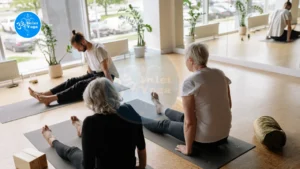
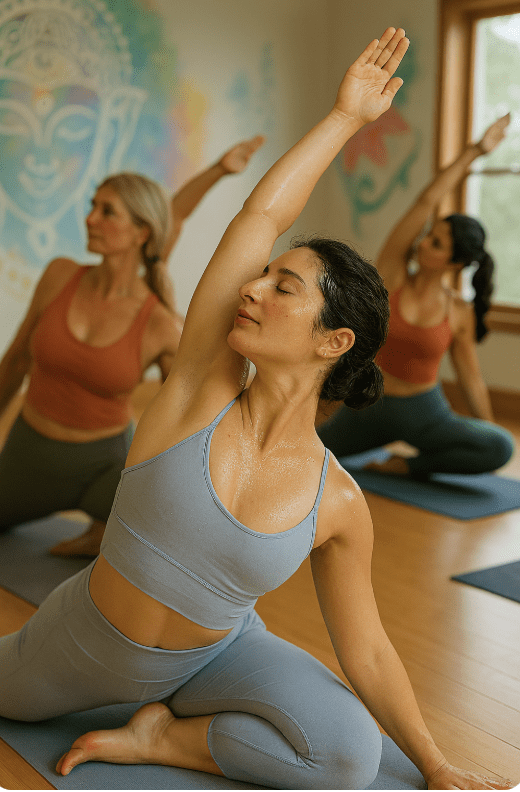
Walking into group yoga classes New Jersey for the first time, it feels like entering a space where each movement and breath carries intention. The atmosphere is alive with shared energy as participants flow through Asana sequences, guided by principles of Ayurveda. Every pose, every pause, teaches something about how the body and mind connect, revealing patterns of energy that often go unnoticed.
This blog highlights five key lessons about Ayurveda, Asana, and Energy in group yoga classes in New Jersey, showing exactly what can be learned from these sessions to improve wellness and vitality. Even within group private yoga classes, these lessons are visible, illustrating how mindful practice shapes both physical health and mental clarity. By embracing these practices, participants find renewed focus, balance, and a deeper sense of energy.
-
Know Your Body Type
Group yoga classes in New Jersey provide an opportunity to understand your body through Ayurveda. Each participant has unique energy patterns and physical tendencies, and recognising these can guide your practice. Knowing whether your system is more active, calm, or balanced allows you to choose the right postures and techniques to support wellness. Observing how your energy fluctuates during class teaches self-awareness that extends beyond the mat. This lesson emphasises that understanding your body type is not just theory—it shapes how you approach each session, select sequences, and adapt movements to support strength, flexibility, and vitality effectively.
-
Use Asanas to Release Tension
The second lesson teaches how Asanas can be strategically used to release tension and restore energy. In group yoga classes New Jersey, participants notice how certain postures open tight muscles, calm overworked systems, and restore natural movement. Practising sequences regularly helps alleviate stiffness, improve circulation, and encourage proper posture.
Even in group private yoga classes, instructors can guide you to modify poses for your specific needs, making energy flow more efficient. This lesson also demonstrates that mindful alignment in each posture can prevent discomfort and reduce fatigue, allowing the body to move more freely.
Repeated practice in group settings highlights how physical engagement affects energy. Over time, you learn to recognise which poses provide immediate relief and which build resilience for long-term health. This insight encourages consistency, patience, and attention to subtle bodily signals.
What We’ll Explore
In this workshop, you’ll be introduced to Ayurveda as a living, breathing framework—one that empowers us to read energy, understand imbalance, and support transformation through intentional movement.
Together we’ll explore:
- Prakriti & Vrikriti: Discover the difference between your original energetic constitution and the imbalances that arise from life’s many influences.
- The Three Doshas: Learn how Vata, Pitta, and Kapha function both within you and around you—and how they impact mood, digestion, focus, energy, and even your teaching style.
- Movement as Energetic Medicine: Understand how asana shapes are not just physical, but energetic expressions that can direct and shift the internal landscape.
- Seasonal Awareness: Learn how your students’ needs shift with the seasons—and how you can guide them more skillfully with this knowledge.
- The Why Behind the Practice: Reconnect to your own sense of purpose in practice and teaching—through the lens of Ayurveda, intention, and embodied wisdom.
Why This Work Matters for Teachers
As yoga teachers, we are so often asked to hold space for others. But to do so effectively and sustainably, we must first learn to understand and hold space for ourselves.
Ayurveda helps us do just that.
By learning to see the body and mind as fields of energy, we move beyond memorizing cues and into the realm of intuitive, responsive teaching. We become more skilled in supporting others because we’ve taken the time to study and embody our own patterns.
An Invitation to Go Deeper
This workshop is the beginning of something more. It’s a taste of the deeper studies offered in Inlet Yoga’s 300-hour Advanced Teacher Training, a program designed to help you grow not just in technique, but in wisdom, service, and self-awareness.
If you’re curious about what it means to be a truly embodied teacher—or if you’re just ready to feel more connected to your practice—this is the doorway.
Come as you are. You do not need to know your dosha, have read Ayurvedic texts, or even know where you’re heading next in your yoga path. All that’s required is a willingness to listen to your body, explore new ideas, and expand your understanding of the power of yoga beyond the physical.
-
Master Breath Control
Understanding and controlling breath is a central lesson in group yoga classes New Jersey. Breath affects both energy and focus, and learning to coordinate inhales and exhales with movement improves endurance and mental clarity.
Practical Breath Tips
- Inhale to expand the chest and spine during opening poses
- Exhale to release tension in tight areas
- Use longer, slower breaths to calm overstimulated energy
- Employ rhythmic breathing to synchronise with group movement
By practising these techniques, participants notice how energy rises and falls, how tension melts away, and how focus sharpens. Mastering breath control is a lesson that directly connects physical effort with internal balance, making each session more effective and restorative.
-
Track Your Energy Flow
The fourth lesson is observing how energy moves through the body during postures. Group yoga classes New Jersey allow participants to feel shifts in energy as they transition between poses. You can sense which areas feel open and vital and which feel blocked or fatigued.
By monitoring these sensations, students learn to adjust their posture, breathing, or focus to maintain balance. This attention develops an intuitive understanding of how energy circulation impacts both strength and calmness.
Awareness of energy flow also teaches participants to pace themselves during sequences. Recognising when energy dips or rises ensures that practice remains sustainable, allowing for steadier improvement in both flexibility and mental focus.
-
Leverage Group Energy
The fifth lesson focuses on the power of shared energy in group settings. Practising with others helps maintain motivation, encourages consistent effort, and creates a supportive environment that enhances learning.
Ways Group Energy Helps
- Observing peers holding challenging postures motivates personal persistence
- Collective pacing demonstrates natural timing for sequences
- Group focus amplifies attention to breath and alignment
- Shared enthusiasm creates an uplifting atmosphere that sustains practice
Participants discover that even in group private yoga classes, the energy of others provides cues, inspiration, and feedback. This lesson underscores that wellness and energy are not only cultivated individually but are strengthened through connection, making the practice both physically and mentally rewarding.
Group yoga classes New Jersey offer these five key lessons that integrate Ayurveda, Asana, and energy work into a cohesive practice. By learning your body type, using postures to release tension, mastering breath, tracking energy flow, and leveraging group dynamics, students gain actionable tools for better health, focus, and vitality. Each lesson contributes to a complete understanding of how yoga can support everyday life, providing a clear path from practice to personal wellness.
Join me for this nourishing, heart-centered workshop—and begin to sense the layers of yoga that live just beneath the surface of your breath, your body, and your teaching.
With deep gratitude,
Jennifer Vafakos
Lead Teacher Trainer | Inlet Yoga Studio
Ayurveda & Movement: A Workshop for Teachers and Seekers
Final Thoughts
Exploring these five key lessons about Ayurveda, Asana, and Energy in group yoga classes New Jersey reveals how intentional practice can reshape your connection to body, mind, and daily vitality. Each lesson, knowing your body type, using Asanas to release tension, mastering breath, tracking energy flow, and leveraging group energy, provides practical tools to navigate your wellness journey with awareness and confidence. Group practice offers a unique opportunity to feel support, motivation, and focus while integrating ancient wisdom into modern routines. These insights are not abstract ideas; they are actionable steps that help participants cultivate balance, energy, and resilience. By understanding how these lessons intersect, you can bring consistency, clarity, and purpose to your yoga practice, creating a meaningful impact that extends well beyond the studio.
Experience the benefits of Inlet Yoga. Join our group yoga classes in New Jersey today and apply these five lessons. Spots are limited, so start now!
FAQs
- What are group yoga classes New Jersey like for beginners?
Group yoga classes in New Jersey accommodate all levels. Beginners receive guidance while practising alongside others, making learning supportive and approachable. - How do Ayurveda principles apply in yoga classes?
Ayurveda helps identify your body type and energy patterns. Integrating these principles into yoga can improve posture, energy, and overall balance. - Can I experience similar benefits in group private yoga classes?
Yes, group private yoga classes offer personalised adjustments while retaining the energy and motivation of practising with a small group. - How often should I attend classes to notice results?
Consistency matters. Attending 2–3 times per week allows your body to adapt, improves energy flow, and strengthens mind-body awareness. - Are these lessons useful outside the yoga studio?
Absolutely. Learning to track energy, use breath, and release tension enhances daily focus, reduces stress, and supports overall well-being beyond the class.