
What Makes Yoga New Jersey an Advantage for Spine Wellness and Breath Control
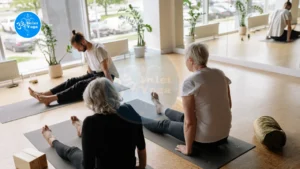
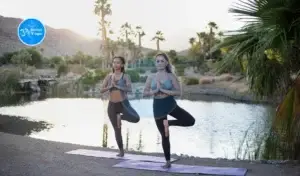
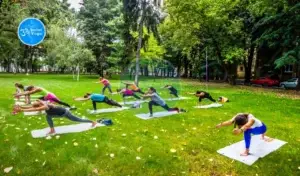
Spinal Extension offers more than just a place to stretch or exercise. For many, stepping into a yoga class opens a door to understanding their body in ways they never imagined. It is a space where the spine and breath work together, helping the body move with balance, stability, and awareness. From gentle stretches to focused breathing exercises, each session encourages participants to release tension, improve posture, and notice how their body responds to motion. Even beginners quickly feel the difference in energy and alignment when practices are consistent.
What makes yoga New Jersey an advantage for spine wellness and breath control is how it combines movement with mindful breathing to strengthen the spine and support overall well-being. Yoga classes beginners often discover this unique connection for better physical and mental health.
Strengthen the Core Spine Connections
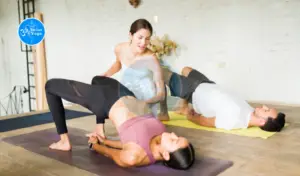
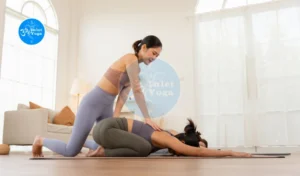
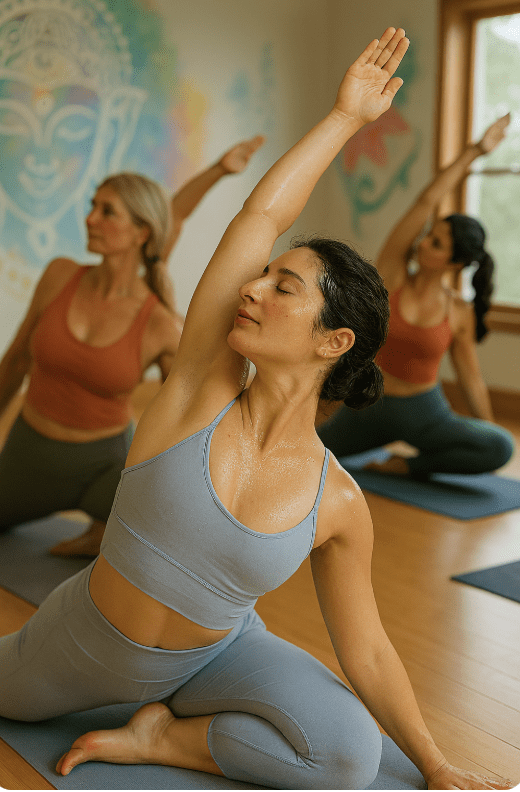
Yoga New Jersey emphasizes building strong connections between the spine and surrounding muscles. This approach helps the spine stay stable during daily movements and reduces tension that can accumulate from prolonged sitting or repetitive activity. By focusing on controlled postures, participants notice improvements in alignment, flexibility, and overall spinal endurance. Beginners often find that initial challenges gradually give way to a sense of control and support, making everyday movements easier and less prone to discomfort. The synergy of stretching and subtle muscle engagement allows the spine to move naturally without strain, making yoga a clear advantage for spinal health.
Enhance Breath Awareness for Body Alignment
Breathing is a cornerstone in yoga New Jersey, guiding both motion and posture. Conscious breathwork encourages the body to expand, stretch, and maintain a more open structure, which is especially beneficial for the spine. When breath and movement are aligned, tension in the back and neck areas reduces significantly.
Regular practice helps participants notice patterns of shallow or uneven breathing that often accompany poor posture. Correcting these patterns allows for better oxygen flow and encourages a relaxed, upright spine. Yoga classes beginners often find that learning to connect breath with motion creates a calming effect while strengthening spinal muscles and improving posture.
Furthermore, integrating deep and focused breathing into daily routines fosters awareness that carries outside the studio. This sustained attention to breath not only helps maintain spinal alignment but also reduces stress levels and mental fatigue. The consistent combination of breath and posture work ensures the benefits extend far beyond individual classes.
My teaching naturally gravitates toward thoracic mobility, lower abdominal strengthening, and intentional opening through the shoulders and chest. What fuels that? A deep obsession with breath—specifically, breath capacity, tidal volume, and how we place the breath during movement. These aren’t abstract ideas—they are vital elements that support our structure, our nervous system, and our mental well-being.
A Practice for the Times We Live In
Ten years ago, our lives and bodies were different. Screens weren’t central to our work, social lives, exercise, or even rest. Now, forward head posture, kyphotic rounding, and limited breath expansion have become all too common. The average student at Inlet Yoga is female, often over 40, and many are seeking to reverse the toll that aging—and technology—has taken on their posture and vitality.
As a community, we’re working to gently correct posture that has been shaped by years (sometimes decades) of hunching over. We’re also working against time—if someone begins yoga past age 60, the effort required to reclaim lost mobility is simply greater. Dowager’s hump (thoracic kyphosis) is particularly common in older women, and it visibly ages the body, regardless of other signs of health. More importantly, it affects breath, gaze, mood, and confidence.
Posture is how we quite literally see the world. Try slouching—your vision drops, your breath shortens, your energy changes. Now sit up tall and inhale fully. It’s an instant shift.
Breath Capacity, Posture & Vitality: What the Science Says
Current research validates what yogis have long known: breath and posture are inseparable.
-
A 2016 study found that smartphone use in a slouched posture significantly reduced key lung function markers like forced vital capacity and forced expiratory volume. (Study Link)
-
Another study confirmed that forward head posture changes the shape of the thorax, reducing the ability to breathe deeply and efficiently. (Study Link)
-
Postural correction techniques, especially those incorporating diaphragmatic breathing, have been shown to improve pulmonary function. (Study Link)
How Breath Placement Supports Movement
Breath doesn’t just support the pose—it facilitates it. Coordinated, intentional breath placement is directly tied to better movement quality and postural control.
-
Stability: Diaphragmatic breathing activates deep core muscles, stabilizing the trunk and protecting the spine. (Study Link)
-
Motor learning: Breath-centered practices accelerate learning. A study showed that alternate-nostril breathing improved motor skill retention both immediately and over 24 hours. (Study Link)
-
Integration: Combining breath and limb movement (like in yoga) has even been used in clinical rehab settings to improve symptoms, reduce anxiety, and build coordination. (Study Link)
Spinal Extension Is Not a Theme—It’s a Necessity
Allison was right—I do teach spinal extension. But not because it’s a focal theme or something I romanticize. I teach it because it’s a necessity for the time we are living in.
And I want to say this clearly: I deeply value Allison’s opinion. I’m genuinely grateful she had that perspective and the openness to share it. Her words made me pause and reevaluate why I teach the way I do. That moment of reflection helped me see even more clearly that this practice—this focus on breath, on posture, on vitality—is how I serve.
We can’t change everything in the world, but we can adapt to it. And through yoga, we can make our daily lives more breathable, spacious, and embodied. Every inhale becomes a commitment to presence. Every spine-lengthening shape becomes an act of resistance against the collapse of body, and of spirit. At Inlet Yoga, this is our work. We reclaim posture, breath, and space—not to perform, but to live more fully.
Conclusion
Yoga New Jersey offers more than exercise; it provides a clear advantage for spine wellness and breath control by connecting mindful movement with purposeful breathing. Through consistent practice, participants experience stronger spinal support, improved posture, and a deeper awareness of how their body responds to motion. Beginners and seasoned practitioners alike benefit from the release of tension, enhanced mobility, and practical techniques that carry beyond the studio. By embracing these practices, the spine becomes more resilient, breathing becomes more controlled, and overall well-being is noticeably improved. The combination of deliberate posture, attentive breathing, and mindful movement proves why yoga in New Jersey is not just a fitness activity but a vital approach to sustaining a healthy, balanced body and mind.
Join Inlet Yoga today to strengthen your spine, improve breathing, and feel the difference. Spots fill fast, so start your wellness journey now.
FAQs
- What should beginners bring to a yoga class?
Bring comfortable clothing, a yoga mat, and a water bottle. A willingness to focus on movement and breath is the most important. - How often should I practice yoga for spine and breath benefits?
Practicing 2–4 times per week provides noticeable improvements in posture, flexibility, and breathing awareness. - Can yoga help relieve chronic back pain?
Yes, gentle stretches and mindful movements in yoga can reduce tension, strengthen supporting muscles, and relieve discomfort. - Are yoga classes beginners-friendly?
Absolutely. Classes are designed to guide beginners safely, with modifications and clear instructions to build confidence. - Do I need to be flexible to start yoga?
No flexibility is required. Yoga gradually improves mobility and flexibility while teaching controlled breathing and proper alignment.