
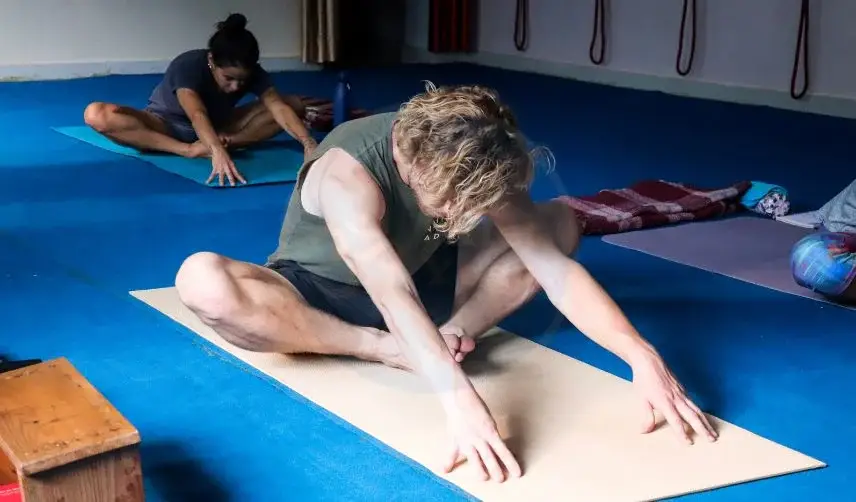
Most people don’t struggle with starting yoga; they struggle with choosing the right class. With so many options like Vinyasa, Restorative, Level 1, Level 2, and Flow classes, it can feel confusing to know where to begin.
The truth is, the right yoga class depends on your goal. If you want to reduce stress and calm your mind, slower and more restorative classes are the best fit. If your focus is strength, flexibility, or fitness, faster-paced flow-based classes will suit you better. Beginners are usually best supported in Level 1 classes, while more experienced students can explore Level 2 or Level 3 options.
There is no “perfect” class, only the one that matches what your body and mind need right now. Once you understand your goal, choosing a class becomes simple, not overwhelming.
At Inlet Yoga in Manasquan, NJ, we get this question from new students almost every week. Here’s how we walk them through it.
What Do You Actually Want From Your Practice?
Before you look at a single class name, it helps to get honest about why you’re rolling out the mat in the first place. Most students land in one of two camps:
- You want to feel calmer, sleep better, and get a break from a busy mind.
- You want to build strength, improve flexibility, or work toward a physical goal.
Some people want both, and that’s completely fine. Yoga tends to deliver on both fronts, no matter which class you start with. But knowing which one matters more to you right now will point you toward the right class a lot faster than scrolling through a schedule hoping something jumps out.
Are You Looking for Stress Relief or Physical Results?
Best Yoga Classes for Stress Relief and Relaxation
If your main goal is to unwind, whether that’s decompressing after work, managing anxiety, or just getting better sleep, look for classes built around slower pacing and longer holds. These yoga classes lean on breathwork, stillness, and props like bolsters and blankets rather than fast-paced movement. You’ll spend more time in each pose, which gives your nervous system time to actually settle instead of just going through the motions.
Classes like these are also a great fit if you’re recovering from an injury, dealing with chronic tension, or simply need permission to slow down for an hour.
Best Yoga Classes for Strength, Flexibility, or Weight Goals
If you’re after something more physical, building strength, improving flexibility, or getting a workout in that also clears your head, you’ll want yoga classes with more movement and a faster pace. These classes flow from pose to pose, build heat in the body, and challenge your core, balance, and stamina in ways slower classes don’t.
They’re also a good option if you’re cross-training for another sport or activity and want yoga to support your overall fitness rather than replace it.
Can One Class Do Both?
Often, yes. Many of our yoga classes are designed to blend movement with stillness, starting with a more active flow and closing with a slower, breath-focused segment. So if you’re torn between the two goals, you don’t necessarily have to choose just one class forever. A lot of our regulars mix a couple of active classes each week with one slower class to round things out.
Beginner vs. Experienced: Does It Change the Recommendation?
Short answer: yes, but maybe not as much as you’d think. Your goal still matters more than your experience level; it’s really about how you get there.
If You’re New to Yoga
If you’ve never taken a yoga class before, we’ll almost always point you toward a beginner-friendly class first, regardless of whether your goal is relaxation or fitness. That’s not because beginners can’t handle a challenging class; it’s because you’ll get more out of any class once you understand the basics: how to breathe through a pose, how to modify when something doesn’t feel right, and how to move safely without guessing.
Our team is a Yoga Alliance Registered School of Yoga, and our instructors are trained to walk new students through exactly that. If you want the full rundown of what a first class looks like and how to prepare, our beginner’s guide to yoga covers it in detail.
If You Already Have a Practice
If you’ve been practicing for a while, you can usually go straight for the yoga class that matches your goal, even if it’s more demanding. Experience gives you more room to explore variations, hold poses longer, and take on classes with a faster pace or more complex sequencing. That said, it’s still worth checking a class description before. You go, “experienced” doesn’t always mean the same thing from one studio to the next, and matching the right intensity to your goal matters more than matching it to your ego.
How Our Class Levels Work (1, 2, 3)
To make this easier, we label our classes by level so you’re not left guessing based on the name alone.
Level 1: Who It’s For
Level 1 classes are built for beginners or anyone easing back into a practice after time away. These classes focus on foundational poses, proper alignment, and building body awareness at a manageable pace. If you’re new to yoga or you’re primarily here for stress relief and gentle movement, this yoga class is almost always the right starting point.
Level 2: Who It’s For
Level 2 classes are for students who already have some experience, you know the basic poses, you’re comfortable with alignment cues, and you’re ready to build on that foundation. Expect a wider range of poses, more variation, and a bit more focus on breath and pacing than you’d get in Level 1.
Level 3: Who It’s For
Level 3 classes are our most challenging offerings, designed for students with a consistent, established practice. These yoga classes move faster, hold poses longer, and ask more of your strength and stamina. If your goal is physical performance and you’ve already built a solid foundation, this is where you’ll feel the most challenged, in a good way.
For a full breakdown of every class we offer by level and style, take a look at our yoga class types. It’s the best way to see exactly what’s on the schedule and pick the one that matches where you’re at.
Still Not Sure Which Class Is Right for You?
If you’re still on the fence, that’s normal, and honestly, the fastest way to figure it out is to just try a few. Our New Student Special gives you 5 Classes for $49. That’s usually enough to sample a couple of different levels and styles and see what actually fits your goal, rather than guessing from a class list.
Inlet Yoga is located at 233 East Main Street, Manasquan, NJ, just a mile from the beach in southern Monmouth County. Come find the class that fits what you’re looking for.
Find the Class That Matches Your Goal
At the end of the day, there’s no universal “best” yoga class, just the one that matches what you’re trying to get out of your practice right now. Start with your goal, be honest about your experience level, and let the class levels guide the rest.
If you’re ready to try it for yourself or if you’d rather talk it through first, reach out to our team, and we’ll point you to the right class based on your goal.
FAQ:
What type of yoga class is best for stress relief?
Slower-paced classes with longer holds and more breathwork, such as restorative or yin-inspired classes, are ideal for stress relief. These classes help calm your nervous system, reduce tension, and leave you feeling relaxed instead of physically exhausted.
What type of yoga class is best for weight loss or building strength?
If your goal is to improve strength, endurance, or support weight loss, choose faster-paced, flow-based classes that keep you moving from one pose to the next. Vinyasa-style classes and Level 2 or Level 3 classes typically provide a more physically challenging workout.
Can beginners take a yoga class focused on physical results, or should they start with stress relief classes first?
Beginners can pursue either goal, but it’s recommended to start with a Level 1 or beginner-friendly class first. Learning proper alignment, breathing techniques, and foundational poses creates a safer, more effective practice before progressing to more challenging classes.
Do I have to choose between stress relief and physical results?
Not at all. Many yoga classes combine active movement with calming breathwork and relaxation. Many students also enjoy balancing their schedule by attending a few energetic classes each week alongside a restorative class to experience both physical and mental benefits.
How do I know if I should take a level 1, 2, or 3 class?
Level 1 is designed for beginners or anyone returning after a break. Level 2 is ideal if you’re comfortable with foundational poses and want to build strength and confidence. Level 3 is best suited for students with consistent practice who are looking for a more physically demanding experience.
How many yoga classes should a beginner take before moving to a higher level?
There isn’t a set timeline. Most beginners spend several weeks or a couple of months in Level 1 classes until they feel comfortable with basic poses, breathing, and alignment. Your instructor can also recommend when you’re ready to move up.
How do I know what level yoga class to take if I’ve practiced before, but it’s been years?
If you’ve taken a long break from yoga, it’s usually best to ease back in with a Level 1 or Level 2 class. While your previous experience will help, rebuilding flexibility, strength, and balance gradually reduces the risk of injury and helps you regain confidence more quickly.
Is it better to take yoga classes based on goal or based on schedule convenience?
Your personal goal should be the priority. Choosing a class that matches what you want to achieve, whether that’s stress relief, flexibility, or physical fitness, will keep you more motivated and make your practice more rewarding than simply picking the most convenient time.
Can one yoga class help with both stress and flexibility at the same time?
Yes. Nearly every style of yoga improves flexibility, while slower-paced classes also emphasize breathwork and relaxation to reduce stress. Many students enjoy both benefits from a single class without needing separate sessions.
What should I look for in a class description to know if it matches my goal?
Pay attention to words that describe the class style and intensity. Terms like gentle, slow, or restorative usually indicate a calming, relaxation-focused class. Words such as flow, power, or strength suggest a more energetic, physically challenging practice. The class level (1, 2, or 3) also provides a good indication of the expected experience level.
Should I ask an instructor which class fits my goal before booking?
Absolutely. If you’re unsure which class is right for you, speaking with an instructor is one of the best ways to get personalized guidance. They can recommend the right class level and style based on your goals, experience, and comfort level, making it easier to start with confidence.






