
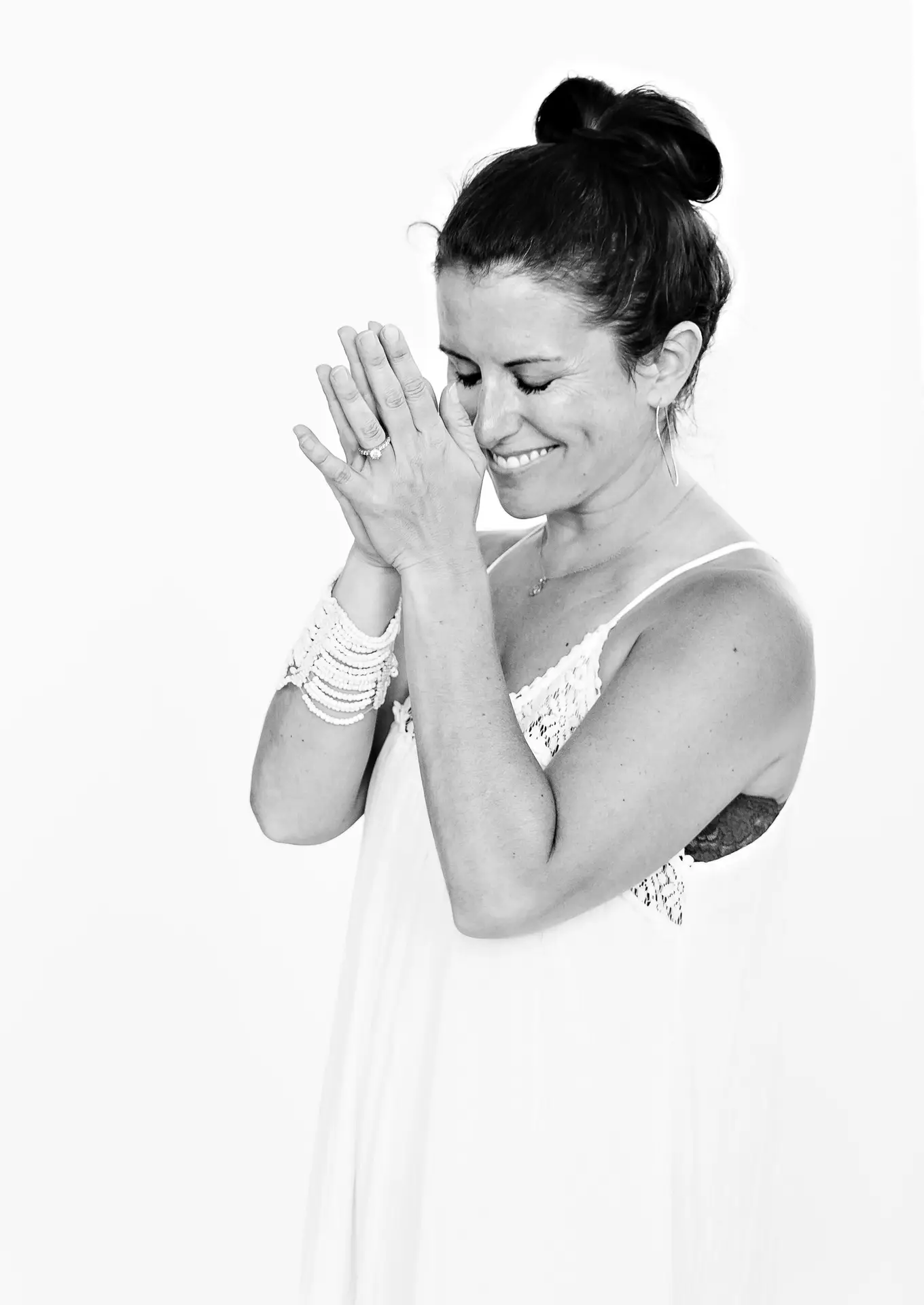
This reflection began with the encouragement of a dear friend and fellow yoga teacher, Serena Soffer.
After I remarked that grief changes us in ways we never change back, Serena paused and asked me a simple question:
“How has it changed you?”
At first, I began listing the people I had lost. Over the years there have been many—family, dear friends, mentors, and those who quietly helped raise me into the person I am today.
Then I realized Serena wasn’t asking me who had died.
She was asking me who I had become because I loved them.
That is a much harder question.
For years, I thought yoga was asking me to let go.
Perhaps that’s because our culture is filled with phrases like move on, time heals, and just let it go. While often well intended, those words never reflected my experience of grief.
Yoga has taught me something very different.
It has not taught me to forget.
It has taught me to remember.
Not only to remember the people I have loved, but to remember who I am.
Memory has become an anchor rather than a burden. The photographs throughout my home, a weathered piece of furniture, a handwritten recipe, a favorite song—these are not relics of the past. They remind me where I come from. They remind me that I belong to something much larger than myself.
There is still a catch beneath my breastbone.
It isn’t always sadness. It isn’t always tears. It is simply where love continues to live. My breath no longer tries to make it disappear. Instead, my practice teaches me to soften around what is already here.
Perhaps this is one of yoga’s quiet gifts.
Not freedom from grief.
But the capacity to live with love after it has changed form.
Over time, I have come to believe something that has transformed my understanding of loss.
Our bodies expire.
Relationships do not.
They simply change.
My godmother, Millie, helped raise me through her steady presence when my mother couldn’t always be there. She taught me that love often looks like service. Looking back, I see her every time I choose to simply show up for someone who is hurting.
My cousin Marilyn taught me that food is more than nourishment—it is a passport into culture, conversation, and belonging. Every time I gather people around my table, she is still teaching me.
My friend Dino made the world feel safer. Even now, a song will unexpectedly come on in my car and I can’t help but smile, thinking of him. Whether coincidence or grace, I’m reminded to walk into the world with a little more courage.
My mother taught me never to postpone “I love you.” Today, every time I say those words to my daughter, I feel that lesson living on.
These people did not simply leave me with memories.
They left me with practices.
The practice of showing up.
The practice of gathering.
The practice of courage.
The practice of love expressed before tomorrow.
Yoga has also changed the questions I ask.
Instead of asking, How do I let this go?
I ask, How do I let this belong?
Instead of asking, Why did this happen?
I ask, Who am I becoming because I loved them?
And perhaps the question that has become most important is this:
How can those I have lost continue living—not only in my memories, but in the way I live?
If I become more present because of Millie…
More generous because of Marilyn…
More courageous because of Dino…
More loving because of my mother…
Then perhaps they never truly left.
Perhaps they entrusted something to me.
Yoga cannot answer why we lose the people we love.
It cannot explain suffering or erase grief.
But it can help us hold the questions with tenderness. It can remind us to breathe when the answer doesn’t come. It can teach us that remembrance is not the opposite of healing.
Sometimes remembrance is healing.
As you move through your own practice this week, I invite you to sit with these questions:
Who am I becoming because I loved them?
What did they entrust to me?
How can I allow their gifts to continue living through the way I breathe, love, forgive, gather, and care for others?
Perhaps that is one of the deepest practices yoga has to offer.
Not letting go.
But becoming.






