How Inlet Yoga Supports Self-Care in Times of Fear
Have you ever wondered why self-care feels impossible when fear seems to hover at every corner? Inlet Yoga offers more than stretches or postures; it creates a space where your mind can pause, your body can breathe, and even small moments feel like a reset. Many of us drift through daily pressures without realizing how tension builds, until a single moment of anxiety makes us question our balance.
Stress can creep in silently, making focus slip and energy fade. Simple routines often fail when fear dominates thoughts, leaving self-care feeling like a chore rather than a refuge. It’s easy to feel trapped in cycles of worry, unsure how to reclaim a sense of calm. The problem is not a lack of effort but the absence of a practice that connects body, mind, and presence in one steady flow.
Picture discovering a way to pause without judgment, to give attention to your body and mind in sync with each breath. Inlet invites exploration into mindful movements that release tension, settle the mind, and create space for clarity. By approaching self-care as an active choice instead of an obligation, fear loses its grip, and a sense of grounded calm begins to emerge naturally.
Mindful Rest and Recovery
Restful sleep is a cornerstone of self-care, yet fear and anxiety can make deep rest elusive. Inlet Yoga supports sleep through routines that calm the nervous system and prepare the body for relaxation. Integrating breath work, meditation, or gentle stretches before bed allows the body to enter a restorative state naturally.
In addition, meditation and other stress management techniques like journaling, reflecting on emotions, or talking with a confidant reduce tension and inflammation in the body. These practices, emphasized in yoga training NJ, help turn self-care into a proactive, daily habit rather than a reactive stress response.
Moving Through Tension
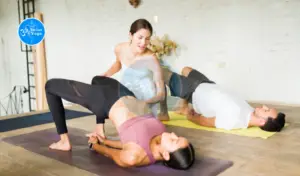
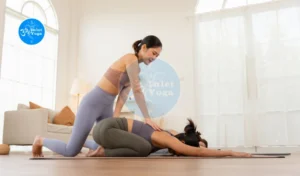
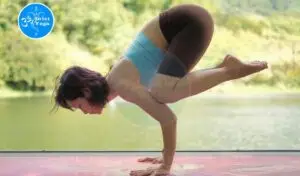
Physical movement is not only about flexibility or strength; it is a vital tool for managing stress and fear. Yoga incorporates flowing sequences and targeted asanas to release areas of tension stored in the shoulders, spine, and hips. Conscious movement, combined with deep breathing, stimulates relaxation while increasing body awareness.
Key movement practices include:
- Gentle asanas to release tightness
• Short flows to restore energy
• Breath-focused exercises to calm the nervous system
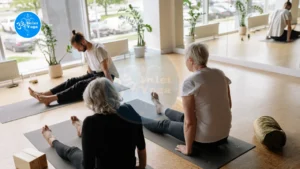
These routines can be done at home or in guided sessions at Inlet Outlet Manasquan, helping build resilience and a sense of groundedness. Regular practice trains the body to respond calmly under stress, strengthens mental focus, and improves overall energy levels.
- Restful sleep good restful sleep (between 8 and 9 hrs a night)
- Meditation and stress management (this could be anything from journaling thoughts, spending time with loved ones, or talking with a confidant about what is bothering you) to reduce inflammation and stress in the body
- Self-awareness and mindfulness
- Exercise and movement
- Deep breathing and asana
- Activating your parasympathetic nervous system. (think rest and digest) instead of the sympathetic nervous system (think fight or flight). Through deep relaxation, we can promote vagus nerve (think command center for the parasympathetic nervous system) activation- a healing system in the body
- Meditation and Pranayama
- Focus on healthy emotions instead of panic. Love, Compassion, Joy, Empathy deep listening to one another, being positive, giving each other attention, affection appreciation, looking at the situation with sobriety and not panic
- Healthy food choices, supplements that are anti-inflammatory.
Cultivating Emotional Awareness
Fear often amplifies negative thoughts and emotions. Inlet Yoga encourages observation without judgment, allowing practitioners to respond intentionally. Emotional self-care practices include:
- Focusing on positive emotions such as joy, empathy, and compassion
- Deep listening and authentic connection with others
- Approaching situations with calm awareness instead of panic
Developing this emotional awareness supports mental clarity and healthier interpersonal relationships. When paired with regular physical practice, it creates a holistic system of self-care.
Integrating Mindfulness Daily
Consistency is essential for effective self-care. Short, purposeful exercises can easily be integrated into daily life. Mindful breathing in the morning, quick meditation breaks, or simple stretches between work tasks all create pockets of calm that counteract fear.
- Attending structured sessions at yoga training NJ or Inlet Outlet Manasquan provides guidance and accountability
- Practicing even 5–10 minutes at home can reset focus and reduce anxiety
- Incorporating reflection or journaling enhances emotional balance
These small, consistent practices transform self-care from a theoretical idea into a lived experience. Each intentional breath, gentle stretch, or mindful pause reinforces a sense of control over your mind and body. Over time, these moments accumulate, creating a natural rhythm of calm and resilience that extends beyond the yoga mat.
Fear and stress no longer dominate daily life, and self-care becomes an integrated part of every decision, interaction, and moment of stillness. Practitioners often find that their clarity, focus, and emotional balance improve, making it easier to face challenges with grounded confidence.
Lifestyle Choices That Complement Yoga
Fear and stress are affected by lifestyle factors. Inlet Yoga emphasizes habits that reinforce self-care, including nutrition, rest, and social connection. Healthy food choices, supplements that reduce inflammation, and adequate sleep support the mind and body, enhancing the effects of yoga practice.
Engaging fully in life and prioritizing meaningful relationships also reinforces emotional well-being. While isolation may feel protective, Inlet reminds us that connection, attention, and positive engagement are vital for maintaining calm and resilience.
Inlet Yoga Enhances Stress Management
Inlet Yoga combines mindful movement, breath work, meditation, and lifestyle awareness to create a complete self-care system. Through structured programs at Inlet Outlet Manasquan and guided yoga training NJ, practitioners learn techniques that can be applied daily to reduce fear and maintain balance.
Consistent practice strengthens the mind, body, and emotions simultaneously. Over time, fear loses its grip, clarity increases, and calm becomes the default state. By addressing self-care holistically, Inlet changes how stress and fear are experienced and managed.
Conclusion
In times of fear, maintaining balance and self-care can feel like a challenge. Inlet Yoga offers a holistic approach that addresses the mind, body, and emotions together. Through mindful movement, intentional breathwork, and emotional awareness, this practice helps reduce stress, improve clarity, and foster resilience. Regular engagement, whether at home or in guided sessions at Inlet Outlet Manasquan or through yoga training NJ, allows these benefits to become a consistent part of daily life.
The strength of Inlet Yoga lies not just in individual practices but in their cumulative effect. Each intentional breath, mindful stretch, or moment of reflection reinforces a healthier stress response, nurtures emotional stability, and builds confidence in navigating life’s unpredictability. By integrating these routines into daily life, self-care shifts from a concept into a tangible, lived experience, making it possible to face fear with clarity, presence, and a sense of control.
Start your journey toward calm and balance today with Inlet Yoga. Explore classes and guided sessions to discover how mindful practice can transform your approach to self-care.
FAQs
Q1: How can I start practicing yoga if I’m new to it?
Start with short daily sessions focused on gentle stretches and mindful breathing. Guided classes or beginner-friendly videos can help you learn foundational postures safely.
Q2: Can yoga really help reduce stress and anxiety?
Yes. Mindful movement, breathwork, and meditation improve emotional balance, calm the nervous system, and reduce the physiological effects of stress.
Q3: How often should I practice to see benefits?
Even 10–20 minutes daily can make a difference. Consistency is more important than long sessions, as small, regular practices reinforce resilience and focus.
Q4: Do I need special equipment or a gym membership?
No. Comfortable clothing, a yoga mat, and a quiet space are enough to start. Structured programs, like those at Inlet Outlet Manasquan or yoga training NJ, can provide guidance but aren’t required.
Q5: How does yoga fit into overall self-care?
Yoga complements sleep, nutrition, emotional reflection, and social connection. Combined, these practices create a holistic approach to managing stress, fear, and overall well-being.