How New Jersey Yoga Classes Help You Release Tension You Didn’t Know You Had?
New Jersey yoga classes can sometimes feel like just another activity on a busy day, but beneath the surface, many of us carry tension we don’t even notice. Shoulders tighten, the back stiffens, and the mind buzzes with thoughts, yet we move through life without realizing how much strain we carry. That hidden tension can quietly affect mood, energy, and overall well-being, making even simple moments feel heavier than they should.
This unnoticed stress often lingers because the body and mind rarely get a chance to fully settle and release what has built up over time. Breathing may be shallow, posture constrained, and the nervous system alert long after the day’s demands have ended. Yet through mindful movement and focused attention, there is a way to bring the body and mind back into balance, easing tension you didn’t know existed. Below, we explore how New Jersey yoga classes can help you release this hidden tension and restore calm, balance, and relaxation throughout your body and mind.
Deep Breathing Techniques That Calm Muscles and Mind
New Jersey yoga classes begin with controlled breathing exercises that help the nervous system relax and release tension stored in muscles. Diaphragmatic breathing directs oxygen to areas like the shoulders, neck, and back, loosening tight fibers and calming the mind. Focused attention on each inhale and exhale allows participants to notice subtle stress and release it naturally, leaving the body lighter, more balanced, and better able to handle daily pressures. Breathing also encourages mental clarity, reduces anxious thought patterns, and signals the body to shift into a state of ease.
Stretching Stiff Muscles to Free Hidden Tension
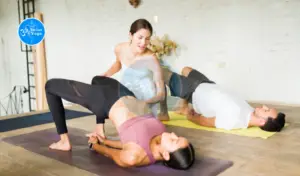
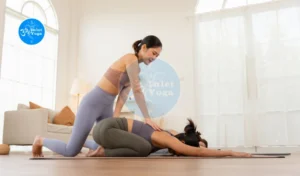
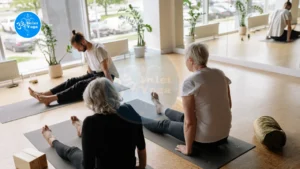
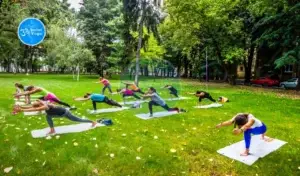
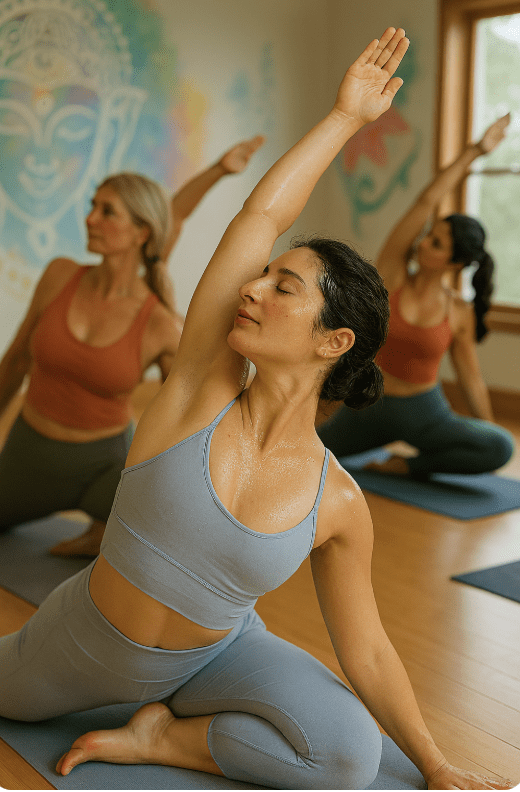
Gentle stretches in New Jersey yoga classes target muscles that often carry unnoticed stress. Hips, lower back, shoulders, and chest open gradually without forcing the body, releasing stiffness accumulated from prolonged sitting, repetitive movements, or tense postures. In Inlet Yoga Manasquan, instructors guide participants through sequences that ensure every movement contributes to muscle relaxation and improved posture. These stretches not only release tension but also improve circulation and create a greater sense of physical comfort, allowing the mind to settle as the body loosens.
We often think of Savasana as the reward at the end of class—the few quiet minutes where we get to just be. But what if we told you that this final pose is also where your brain learns best?
In a previous post, we explored cortical maps—the brain’s internal blueprint of your body. These maps are redrawn and refined every time you practice yoga, especially when you move slowly and intentionally. But here’s something you may not realize: your body doesn’t integrate that learning during the movement. It integrates it in the stillness.
The Neuroscience of Rest
As we move through poses, the brain takes in sensory and motor information—about weight distribution, breath patterns, stability, ease, or tension. But it’s in moments of rest and non-doing, like Savasana, that the brain begins to consolidate that information.
This idea is strongly supported by neuroscience. According to NIH-supported research, quiet rest and even short periods of non-REM-like inactivity play a powerful role in memory consolidation and learning integration—not unlike sleep itself (Mednick et al., 2008; NIH Brain Initiative). This process is especially critical after new or novel experiences, such as movement sequences, breath practices, or awareness-based techniques.
During this phase, the body shifts into a parasympathetic nervous system state—commonly known as “rest and digest.” This is where healing, regulation, and integration become available. Deep, diaphragmatic breathing in Savasana activates the vagus nerve, enhancing vagal tone and supporting emotional well-being (Porges, 2007).
The Three Stages of Savasana
At Inlet Yoga, we often guide Savasana as a journey—not an endpoint. Over time, many practitioners begin to move through three intuitive stages:
1. Settling the Shape
First, we land. We feel the weight of our body. We might shift or adjust to create a shape that feels supportive. This physical tuning-in builds proprioceptive awareness—the brain’s internal sense of where the body is in space—refining the cortical maps we’ve just worked on through movement (Khalsa et al., 2009).
2. Breath Awareness as Bridge
Next, we bring attention to the breath. For many, a slow “sweeping broom” breath in the lower lungs begins to emerge. This supports interoception—our ability to feel internal states—and further deepens the nervous system’s shift into safety. Breathing this way stimulates the vagus nerve and enhances the parasympathetic response, anchoring us in a felt sense of calm (Porges, 2007).
3. Dissolving into Stillness
Finally, the breath lightens. Thoughts soften. This is the phase often described as hypnagogic—a liminal state between wakefulness and sleep. Here, the brain may shift into alpha and theta wave activity, associated with creativity, deep rest, and emotional integration (Tang et al., 2015). It’s in this still awareness that the practice truly lands—emotionally, mentally, and neurologically.
Why It Matters—Especially for Beginners or Aging Bodies
For those who are just starting their yoga journey—or who are aging, healing, or moving through life changes—Savasana becomes essential, not optional. These practitioners are often rebuilding or re-patterning movement and breath. Their cortical maps are still developing or shifting. Without stillness, the brain loses the opportunity to integrate the practice meaningfully (NIH Brain Initiative).
In these moments, Savasana isn’t just a rest. It’s a neurological reset. It’s where the body learns. Where the brain remembers. And where the entire system receives the message:
You are safe. You are whole. You are here.
Let Savasana Be the Teacher
So next time you’re tempted to roll up your mat and skip out early, pause. Give yourself those precious moments. Lay down. Breathe. Settle. Dissolve. Let it all land.
Let your practice be remembered—not just in your heart, but in your brain.
Final Thoughts
New Jersey yoga classes provide a comprehensive approach to releasing tension you didn’t know existed. Through a combination of deep breathing, mindful movement, targeted stretches, restorative poses, and awareness practices, the body gradually lets go of stress that has silently accumulated over time. Participants often find that not only does physical stiffness decrease, but mental clarity and emotional calm also improve. The consistent practice of these techniques creates a natural rhythm for tension release, allowing the mind and body to function in harmony and maintain balance throughout daily life. Inlet Yoga Manasquan ensures that each session addresses both visible and hidden stress, giving participants a holistic experience that leaves the body lighter, the mind calmer, and a renewed sense of overall well-being.
Experience tension-free living with Inlet Yoga.
Join our New Jersey yoga classes to release hidden stress, restore balance, and nurture your body and mind today.
Frequently Asked Questions (FAQs)
- How do New Jersey yoga classes help release tension?
These classes combine breathing, stretching, mindful movement, and restorative poses to gradually release both visible and hidden stress in the body. - Can beginners benefit from these classes?
Yes, all levels are welcome. Inlet Yoga offers guidance and modifications to ensure everyone can safely release tension and improve flexibility. - How often should I attend classes to see results?
Regular practice, ideally two to three times a week, helps maintain a tension-free body and promotes consistent mental and physical relaxation. - Do I need any special equipment for the classes?
Basic yoga props like mats, blocks, and straps are sufficient. Restorative props are provided to support deeper relaxation and tension release.