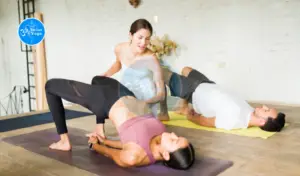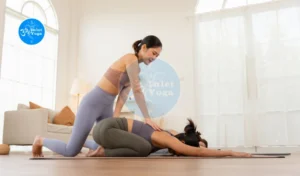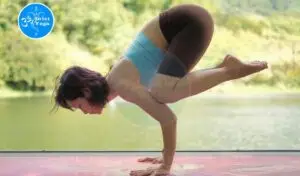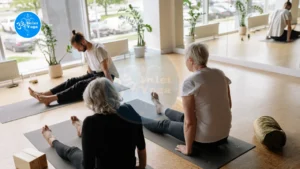
If you’ve been to one of our heated evening classes, you may have noticed something: we tend to gear the practice more toward building strength than chasing deep flexibility. It’s not because we don’t value mobility or the beauty of an open, spacious body—those things are important. But the truth is, when it comes to long-term health, safety, and resilience—especially as we age—strength takes the lead.
Let’s talk about why.
The Heat Changes Everything
Practicing yoga in a heated room is a very different experience for your body than a room-temperature class. The warmth makes your muscles more pliable, which can feel wonderful—it’s easier to move, your joints feel looser, and you may find yourself reaching deeper into poses.
But here’s the catch: your muscles may feel ready for that extra stretch, but your joints, ligaments, and tendons don’t heat up in the same way. These connective tissues are more rigid by nature, and when they’re stretched too far—especially repeatedly—they don’t bounce back. Overstretching can lead to joint instability, misalignment, and even long-term wear and tear.
This is why heated classes can sometimes create a “false sense” of flexibility. You think you’re safely going deeper, but you may actually be moving beyond your body’s safe range of motion.
The Problem with Chasing Flexibility Alone
Many students arrive on their mats thinking yoga is mostly about flexibility—touching your toes, dropping into the splits, folding in half. But if we focus only on how far we can go without paying attention to how we support ourselves, we set the stage for injury.
Flexibility without strength is like having a door without hinges—it might open far, but it’s not supported in a way that keeps it safe and functional. Strength acts like those hinges, holding everything together while allowing for safe, controlled movement.
Why Strength Is Essential—Especially as We Age
Here’s where the conversation gets even more important. As we age, we naturally lose muscle mass and bone density. This process—called sarcopenia for muscle loss and osteoporosis for bone thinning—happens to all of us to some degree. Without intentional movement to maintain or rebuild strength, our bodies become more fragile, balance becomes more challenging, and our ability to recover from injury declines.
When we build strength—especially functional strength that uses multiple muscle groups—we create a sort of “shock absorber” system in the body. If you trip or fall, strong muscles help distribute the force evenly rather than letting one small area, like a wrist or hip, take the full impact. This can be the difference between walking away and sustaining a fracture.
Strength also supports balance and proprioception (your body’s awareness of where it is in space), which are key to preventing falls in the first place.
Common Misalignments We See in Heated Classes
In heated classes, we often see the same patterns of misalignment pop up—often without students realizing it. Here are a few to watch for:
-
Hyperextension of knees or elbows – Locking out joints in poses like Warrior II, Triangle, or Plank can overstress the ligaments, especially when the heat encourages you to “sink” deeper.
-
Collapsing into joints instead of muscles – In weight-bearing poses, it’s easy to rely on your skeleton for support instead of engaging the surrounding muscles, which should be doing most of the work.
-
Sinking into flexibility in backbends or forward folds – Going deeper without activating the core, legs, or back muscles means the joints are taking more pressure than they should.
-
Losing balance alignment – The looseness from the heat can tempt you into a wider or deeper stance that compromises your center of gravity, making balance more challenging.
The Strength-Flexibility Balance
Flexibility is still important—healthy muscles and joints should be able to move through a comfortable range of motion without pain or restriction. But flexibility without strength is like driving a car with loose steering—it’s hard to control where you’re going.
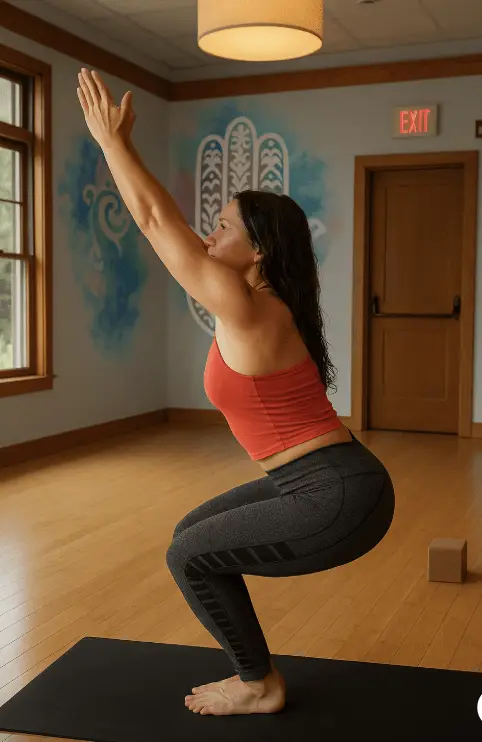
When we teach heated evening classes, our aim is to give you both: enough mobility to move well and enough strength to control that movement. This might mean holding poses longer to build muscle endurance, using props for stability, or adding in more strength-focused sequences like Chair Pose variations, core engagement drills, or slow, controlled transitions between postures.
The Takeaway for Your Practice
The next time you step into a heated evening class, remember: the heat can be a wonderful tool, but it can also be deceptive. Use it to warm and prepare your body—not to push past your safe range.
Listen to your muscles and joints. Engage the muscles around your joints before moving deeper. Notice if you’re hanging in your flexibility or actively supporting your shape.
And most of all, remember that building strength now is an investment in your future self. The stronger you are, the more freedom you’ll have to move, explore, and enjoy life—both on and off the mat—for years to come.