Building a Strong Meditation Practice and Teaching Foundation with Yoga Manahawkin
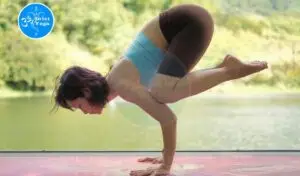
Have you ever wondered why some meditation practices feel challenging while others become a natural part of daily life? Many are drawn to the physical aspects of yoga as handstands, backbends, or complex poses, but the deeper benefits emerge when meditation is embraced. At Yoga Manahawkin, students are guided to approach meditation with openness, exploring the mind and body without judgment or pressure.
The focus is on beginning exactly where each practitioner is, allowing old habits that no longer serve to fade naturally. Meditation becomes a space for clarity, calm, and self-awareness, rather than a task or obligation. Simple, approachable techniques create a strong foundation for consistent practice and personal growth.
This approach also shapes how instructors guide their students. At Yoga Manahawkin, emphasis is placed on meeting learners where they are, observing their needs, and creating supportive meditation experiences. The result is a practice that strengthens both personal development and the ability to teach with confidence and insight.
Discovering Meditation Through Practice
Have you ever wondered why meditation can feel daunting even for experienced yoga practitioners? Many students start yoga classes intrigued by handstands or deep backbends, often overlooking the subtle power of meditation and breathwork. At Yoga Manahawkin, the approach begins with simple encouragement: practice without judgment and start where you are. This principle allows each student to explore meditation at their own pace, without feeling the pressure to change habits immediately.
Through consistent practice, habits that no longer serve begin to fade naturally, creating space for calmness, clarity, and emotional resilience. Meditation in this context is not a rigid discipline but a supportive tool that helps students navigate challenges in life. For those attending a yoga studio in New Jersey, these lessons provide a strong foundation for both physical and mental development, reinforcing the benefits of yoga beyond the mat.
Even on days when sitting still is difficult, regular meditation can help manage stress, reduce fear, and improve focus. The practice encourages students to remain present and attentive, equipping them with the confidence to navigate challenges and decisions in their personal and professional lives.
Foundations of Teaching Meditation
Building a strong meditation teaching foundation requires more than knowing techniques; it relies on understanding the students and the practice itself. At Yoga Manahawkin, instructors emphasize the importance of authenticity. Techniques should resonate with the teacher before they can be shared effectively with students.
Personal practice and teaching go hand in hand. Meditation teachers are encouraged to observe themselves and their students, adapting techniques to suit the environment and the learners’ readiness. Understanding what makes a good meditation teacher involves a combination of practice, patience, and knowledge.
Key Principles for Guiding Students
The following ten principles are central to meditation teaching at Yoga Manahawkin:
1. Meet Students Where They Are
Begin with simple techniques rather than overwhelming students with advanced pranayama, kriya, or visualization. Awareness of each student’s starting point ensures they build confidence gradually.
2. Prioritize Comfort
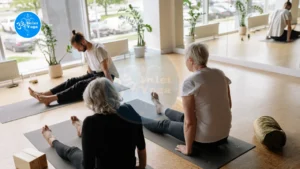
Ensure students can sit or lie comfortably. Props, chairs, and cushions are essential for accommodating physical limitations, helping students achieve a deeper meditative state.
3. Observe Students Holistically
Recognize that students bring their full experiences into class—emotions, trauma, heartbreak, or even mundane stresses. Awareness of these factors helps instructors guide practice without judgment.
4. Teach from the Heart
Approach teaching without assumptions or preconceptions. Encourage students to start practicing without feeling the need to stop other habits immediately. Authenticity in teaching fosters trust and engagement.
5. Consider the Surroundings
Environmental factors such as room temperature, lighting, and energy in the space impact meditation. Thoughtful consideration of surroundings enhances focus and relaxation during practice.
6. Explain the Purpose
Provide students with a scientific and yogic context. Explain physiological responses to meditation and clarify why these practices are valuable. This creates a meaningful connection to the techniques.
7. Know the Yogic Definition of Meditation
Teaching meditation includes understanding its roots in yogic philosophy. Knowing the intention behind the practice allows instructors to guide students effectively, connecting ancient wisdom with contemporary practice.
8. Watch Cadence and Voice
Maintain calm, steady speech without monotony. Avoid triggers and ensure language supports focus and engagement. Clear, deliberate communication helps students stay present.
9. Allow Space
Students need room to experience meditation individually. Encourage personal exploration and resist the urge to fix, direct, or judge. Creating space supports emotional and mental processing.
10. Recognize the Power of the Practice
Even simple breathing exercises can evoke strong reactions. Ensure students can exit safely if needed and are grounded afterward. Recognizing the impact of meditation allows for responsible, supportive teaching.
Strengthening Personal Practice
A strong teaching foundation relies on instructors maintaining their own consistent meditation practice. Regular practice builds confidence, attentiveness, and adaptability, which are essential for leading students effectively. Yoga Manahawkin emphasizes the importance of teachers modeling the practices they teach, fostering authenticity and credibility in both yoga studio New Jersey settings and yoga classes NJ.
By observing personal experiences, instructors learn to handle challenges in teaching, such as varied student readiness, emotional responses, and physical limitations. This preparation ensures that every session is both meaningful and safe, promoting trust between instructors and students.
Integrating Meditation into Yoga Classes
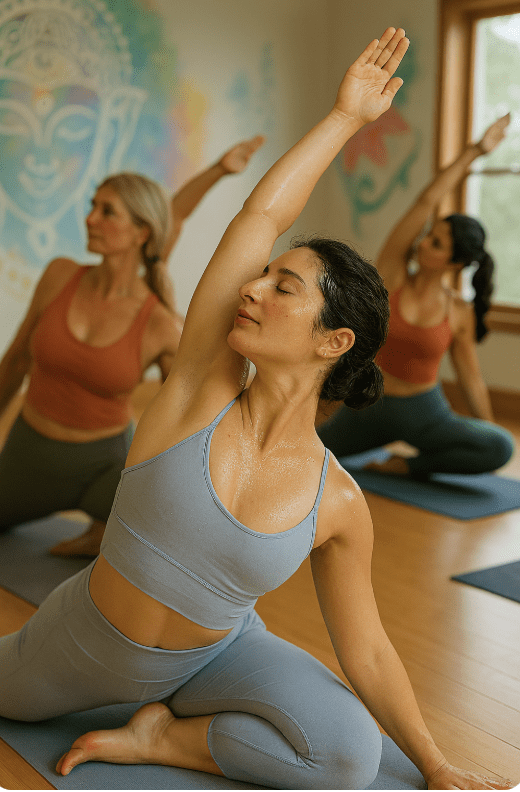
Integrating meditation into yoga classes in NJ enriches the overall learning experience. When instructors combine physical postures with mindful practices, students experience holistic benefits, including reduced fear, enhanced focus, and emotional resilience. By emphasizing observation, adaptability, and comfort, instructors create a supportive environment that encourages long-term engagement with meditation.
The structured guidance at Yoga Manahawkin equips instructors to confidently introduce meditation to diverse student groups. By combining knowledge of science, yogic philosophy, and practical teaching strategies, students can engage with meditation meaningfully, while instructors cultivate a strong, reliable teaching foundation.
Conclusion
Building a solid meditation practice and teaching foundation requires dedication, awareness, and patience. At Yoga Manahawkin, instructors learn to combine authentic personal practice with thoughtful guidance, creating a safe and supportive environment for students of all levels. By observing students closely, adapting techniques, and explaining the purpose behind each practice, teachers help learners connect deeply with meditation. This approach fosters confidence, emotional resilience, and focus, allowing students to experience the full benefits of yoga beyond just the physical postures.
Equally important is the continuous growth of instructors themselves. Regular personal practice ensures teachers can model techniques authentically, respond to students’ needs, and guide classes with clarity and compassion. Integrating meditation into yoga classes NJ and maintaining awareness of both physiological and emotional responses strengthens the impact of the practice for everyone. By prioritizing comfort, observing reactions, and respecting individual experiences, a teacher can create transformative experiences that resonate far beyond the classroom.
Take the next step in deepening your practice and teaching skills with Inlet Yoga. Explore Yoga Manahawkin’s meditation programs today and bring mindful guidance to every student.
Frequently Asked Questions
Q1: What types of meditation are taught at Yoga Manahawkin?
Yoga Manahawkin offers a variety of meditation techniques, including mindful breathing, guided visualization, and basic pranayama practices suitable for all levels.
Q2: Do I need prior yoga experience to join meditation classes?
No prior experience is required. Classes are designed to meet students where they are, making meditation accessible for beginners and experienced practitioners alike.
Q3: How can meditation benefit my daily life?
Regular meditation improves focus, reduces stress, enhances emotional resilience, and helps manage challenges more calmly, supporting overall well-being.
Q4: Can meditation be integrated into physical yoga classes?
Yes. Combining meditation with physical postures deepens mindfulness, enhances body awareness, and promotes a holistic yoga experience.
Q5: What should I bring to a meditation session?
Comfortable clothing, a yoga mat or cushion, and an open mind are recommended. Props are available for additional support if needed.